
By Pam Brown, Seminar Coordinator
Moving is considered one of life’s most stressful events. And I’m in the middle of it.
As we’ve gone through inspections, showings, negotiations, and countless decisions, I’ve thought about a word we talk about daily at work: value.
Leaving our home is emotional. We moved here when my oldest son was just one year old. We brought home our second son here. We said goodbye to our beloved dog and welcomed a new puppy (who is somehow already four). The height marks on the doorframe measure not only my boys’ physical growth, but our growth as a family. It was hard painting over those memories to prepare for showings.
This house has been the backdrop for some of our family’s greatest memories.
It has also seen us through challenges. We navigated difficult neighbors, spent COVID lockdowns balancing work and virtual learning with a brand-new kindergartener and a third grader, and endured the daily juggling act of careers, school, sports, and everything else that comes with raising two boys. This home has been a constant through seasons of stress and joy.
When I think about it, that’s what makes a house a home. It’s not the structure itself. It’s the people and the experiences.
The decision to move happened faster than we expected. We casually looked at homes, mostly out of curiosity. Eventually, we started touring properties and found one that seemed perfect. It needed a family willing to give it some love—and a few updates—but we could immediately picture ourselves there.
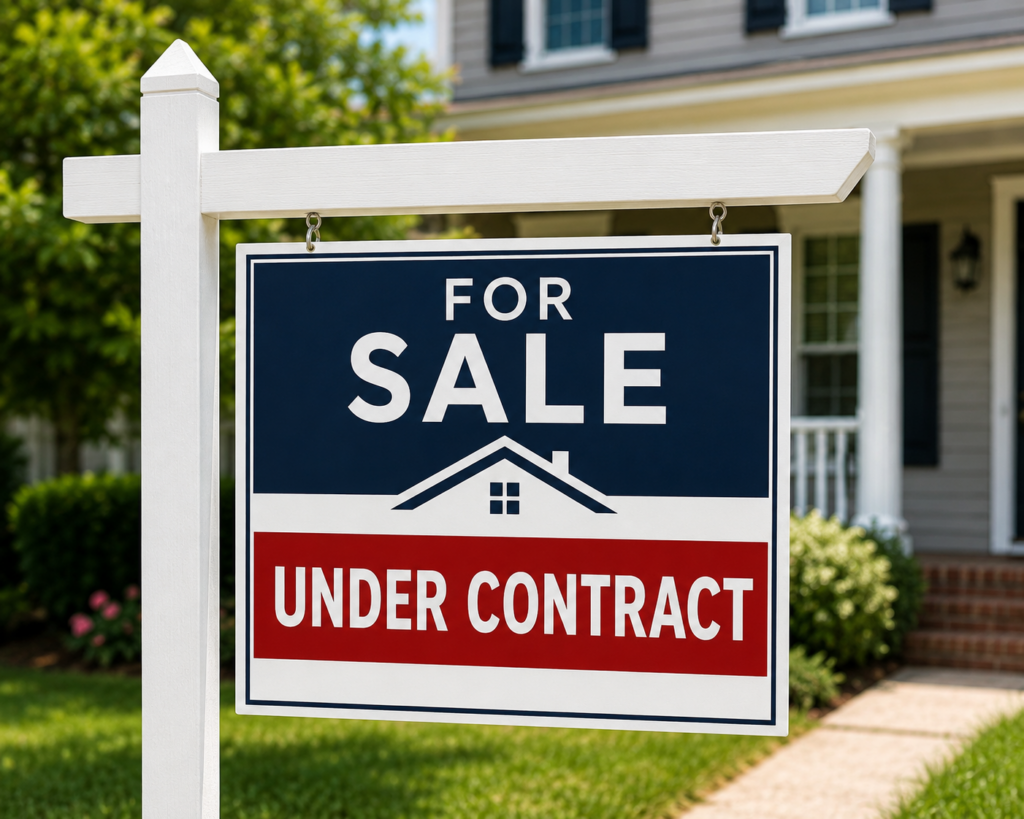
Interestingly, the home had been on the market for more than three weeks, which is unusual in our area. While our current home went under contract in less than 24 hours, this house sat waiting for the right buyer.
That’s when another lesson about value emerged.
To many buyers, that house wasn’t worth pursuing. They may have focused on the updates it needed or compared it to newer homes on the market.
We saw something different.
We saw potential: a large kitchen with a vaulted ceiling where family and friends could gather, a basement already roughed in for a full bathroom, and a grand walk-out with endless possibilities. Others saw projects. We saw possibilities. We envisioned room for our family to continue growing and future memories waiting to be made.
Both perspectives were valid. Just different.
As we prepared to sell our home, I realized the same thing was true about the house we’re leaving behind.
The value my family places on this home isn’t necessarily the same value a buyer sees.
A buyer doesn’t see the pencil marks on the doorframe and remember years of my boys’ growth—especially my oldest, who somehow went from a toddler running through these halls to a nearly six-foot-tall 14-year-old. They don’t see where we celebrated birthdays, gathered around the Christmas tree on Christmas morning, or spent long nights comforting boys who just couldn’t seem to fall asleep. They don’t remember movie nights in the basement, puppy zoomies through the house, or the everyday moments that became some of our most treasured memories. Those memories are priceless to us, but they don’t directly influence the market value of the home.
Instead, buyers evaluate the things that matter most to them: location, layout, schools, yard size, updates, and future potential.
Neither perspective is wrong. Just different.
The house hadn’t changed. The definition of value had.
That’s when I realized the same challenge exists in business: we often assume others see value the same way we do.
We become attached to features, processes, products, or solutions because of the effort we’ve invested in them. We know the story behind them. We know the challenges we overcame to create them.
But customers don’t buy what we value.
They buy the outcomes they care about.
Just as homebuyers evaluate a house through their own lens, customers evaluate every purchase through the lens of their priorities, challenges, and goals.
Value isn’t determined solely by what we think something is worth. It’s determined by the impact it creates for the person receiving it.
As my family prepares to leave a home that has meant so much to us, I’m reminded that value is deeply personal. The most meaningful things in life often can’t be measured—and they don’t show up on an appraisal.
Whether we’re buying a home, selling a product, leading a team, or making an important decision, value is rarely about what something is. It’s about what it means.